




Bangladesh and Denmark: Building the Foundations for Sustainable Prosperity
Why Denmark Is Betting on Bangladesh
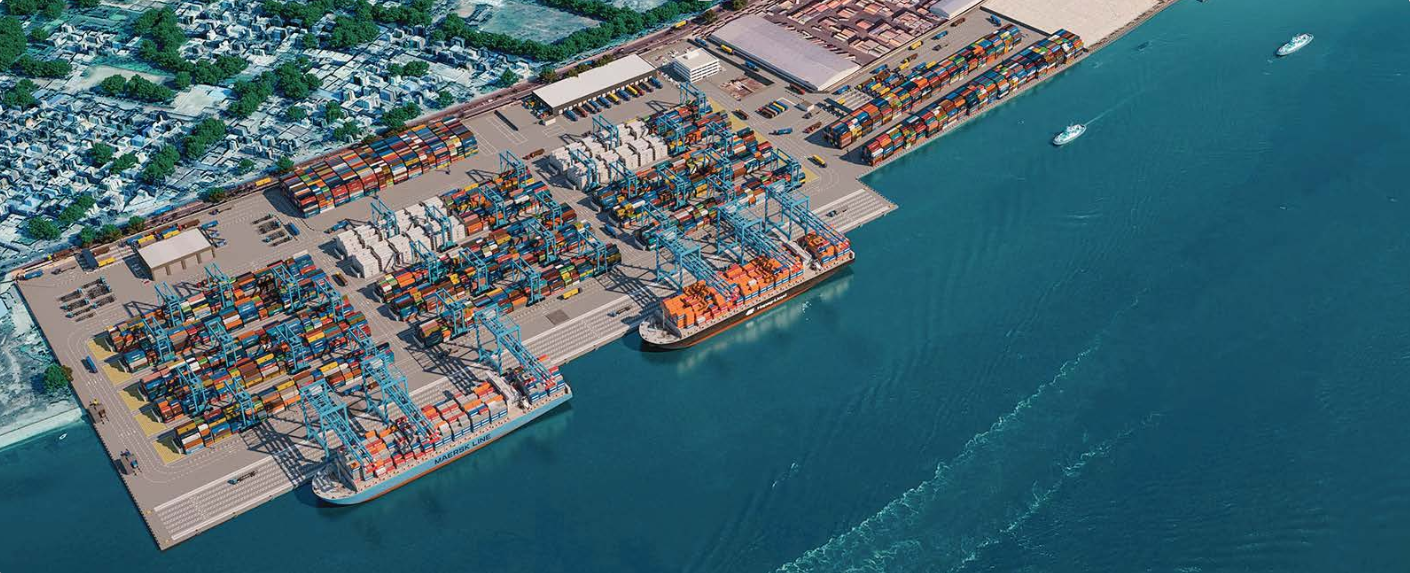
The USD 550 million Laldia Container Terminal marks a new chapter in Bangladesh–Denmark relations.
Developed by APM Terminals, it represents the largest European foreign direct investment in Bangladesh’s history, and is a strong statement of Danish confidence in the country’s economic future. The project will bring global expertise, technology and world-class operational standards to Chattogram Port – the gateway for most of Bangladesh’s international trade. The project will expand port capacity, create skilled jobs and make Bangladeshi exports more competitive.
Investors Need More Than Potential
Bangladesh’s transformation over the past five decades has been amazing. It has built globally competitive industries and demonstrated extraordinary resilience. Yet this progress has also taken place amid political instability, regulatory uncertainty and often gaps in institutional capacity.
Bangladesh’s resilience is a major strength. The next step is to complement it with the predictability that long-term investment requires. Businesses can adapt to difficult conditions. Major investments also require confidence in the rules of the game.
Investors need transparent regulatory processes, predictable customs and taxation, reliable contract enforcement, a stronger financial sector and most importantly confidence in the rule of law. These conditions determine whether investment arrives, whether projects are delivered and whether companies remain and expand.
The creation of Invest Bangladesh, the new apex investment agency, building on the increasingly professional work of BIDA and PPPA, is a welcome step towards making investment easier and better coordinated. We appreciate the strong, professional and investors-focused leadership and look forward to decisions being guided by investor’s needs.
From Aid to Business – and Beyond
Laldia also reflects the wider transformation of our bilateral relationship. Over more than 50 years, the Bangladesh–Denmark partnership has evolved from aid to business, with growing cooperation in trade, investment, technology and sustainable growth. At the same time, Denmark continues to support stronger institutions as an essential foundation for prosperity that is sustainable.
Danish companies and institutions are involved in approximately USD 6 billion in strategic investments and proposals across Bangladesh. These span shipping and logistics, renewable energy, energy efficiency, water, food, pharmaceuticals and sustainable maritime infrastructure.
The opportunity is clear. Bangladesh has a large market, a young workforce, an established manufacturing base and a strategic location between South and Southeast Asia. Denmark offers world-leading expertise in many of the solutions Bangladesh needs. Bangladesh’s future competitiveness cannot rely indefinitely on low production costs. It must be built on productivity, innovation, skills and sustainable, higher-value production.
Making Major Investment the Norm
The real test is whether Bangladesh can make investments of this scale common rather than exceptional. That requires stronger institutions, consistent rules and sustained political commitment. Above all, it requires trust that agreements will be honoured and policies will remain predictable despite political changes.
Denmark is not watching from the side-lines. We are investing and building partnerships. If Bangladesh can combine its proven resilience with greater predictability and stronger institutions, the opportunities are substantial. Our ambition is clear: a partnership for sustainable prosperity.
The creation of Invest Bangladesh, the new apex investment agency, building on the increasingly professional work of BIDA and PPPA, is a welcome step towards making investment easier and better coordinated.
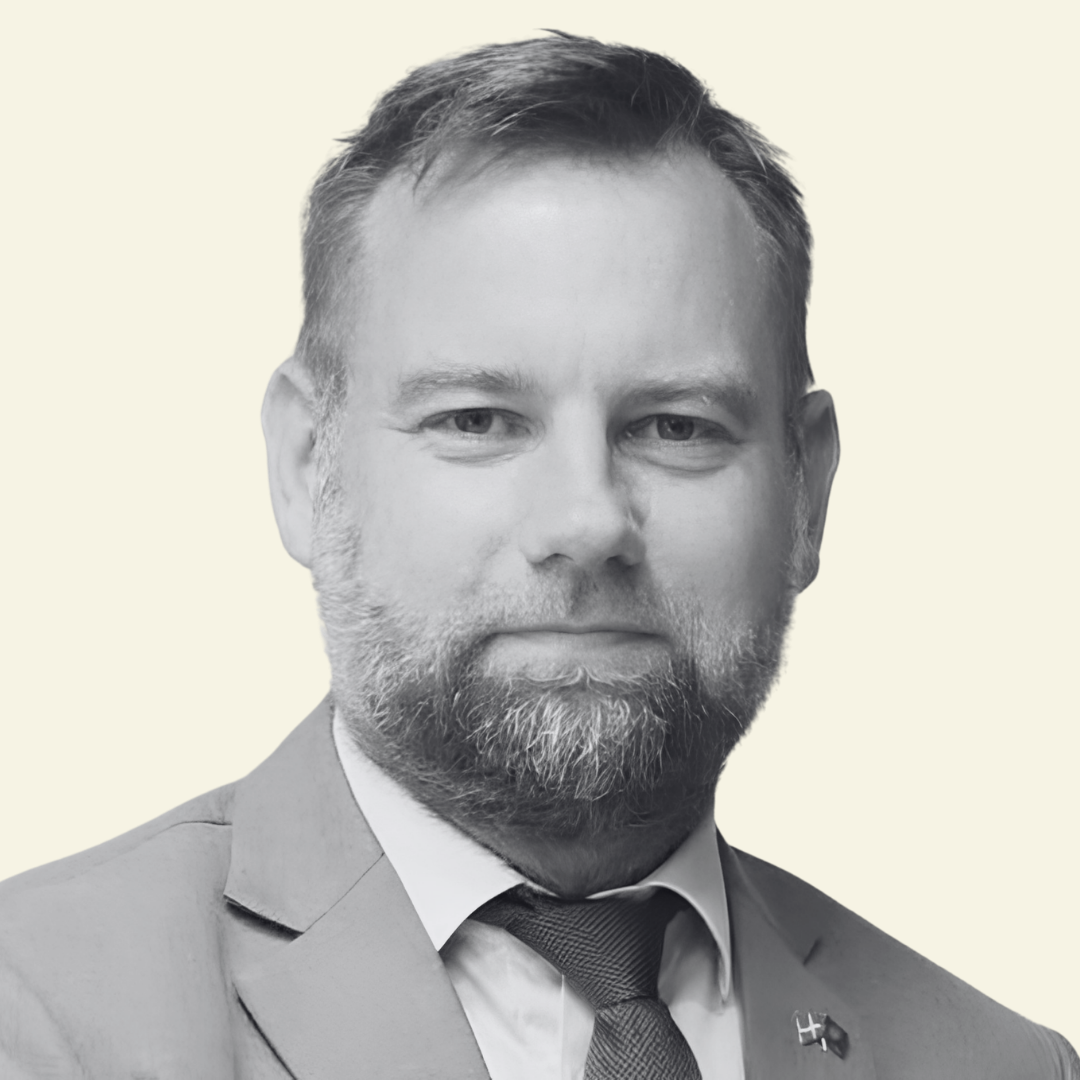
H.E. Christian Brix Møller is Ambassador of Denmark to Bangladesh.

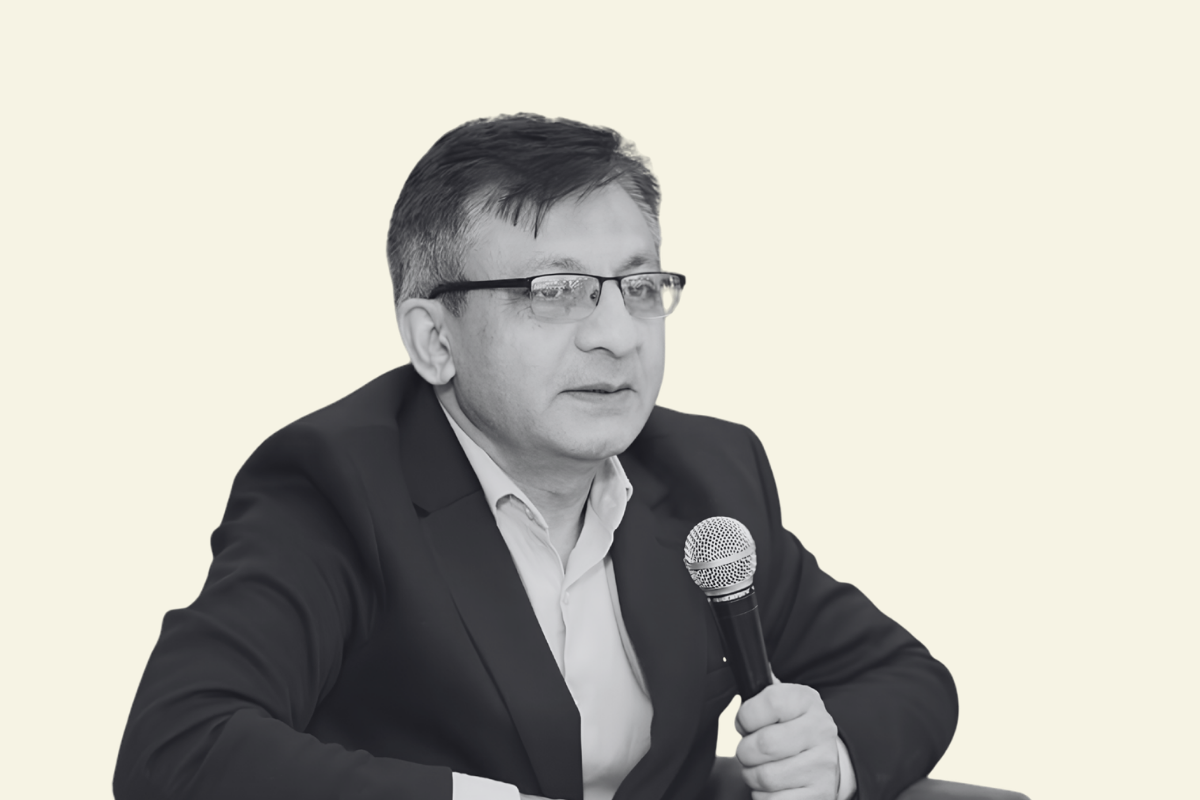
Minister for Industries, Commerce, Textiles and Jute Khandaker Abdul Muktadir on industrial renewal and deregulation.

How much energy will a growing Bangladesh need, and where should it come from? Chevron Bangladesh's President examines energy security, investment and the diverse mix needed to power its next phase.
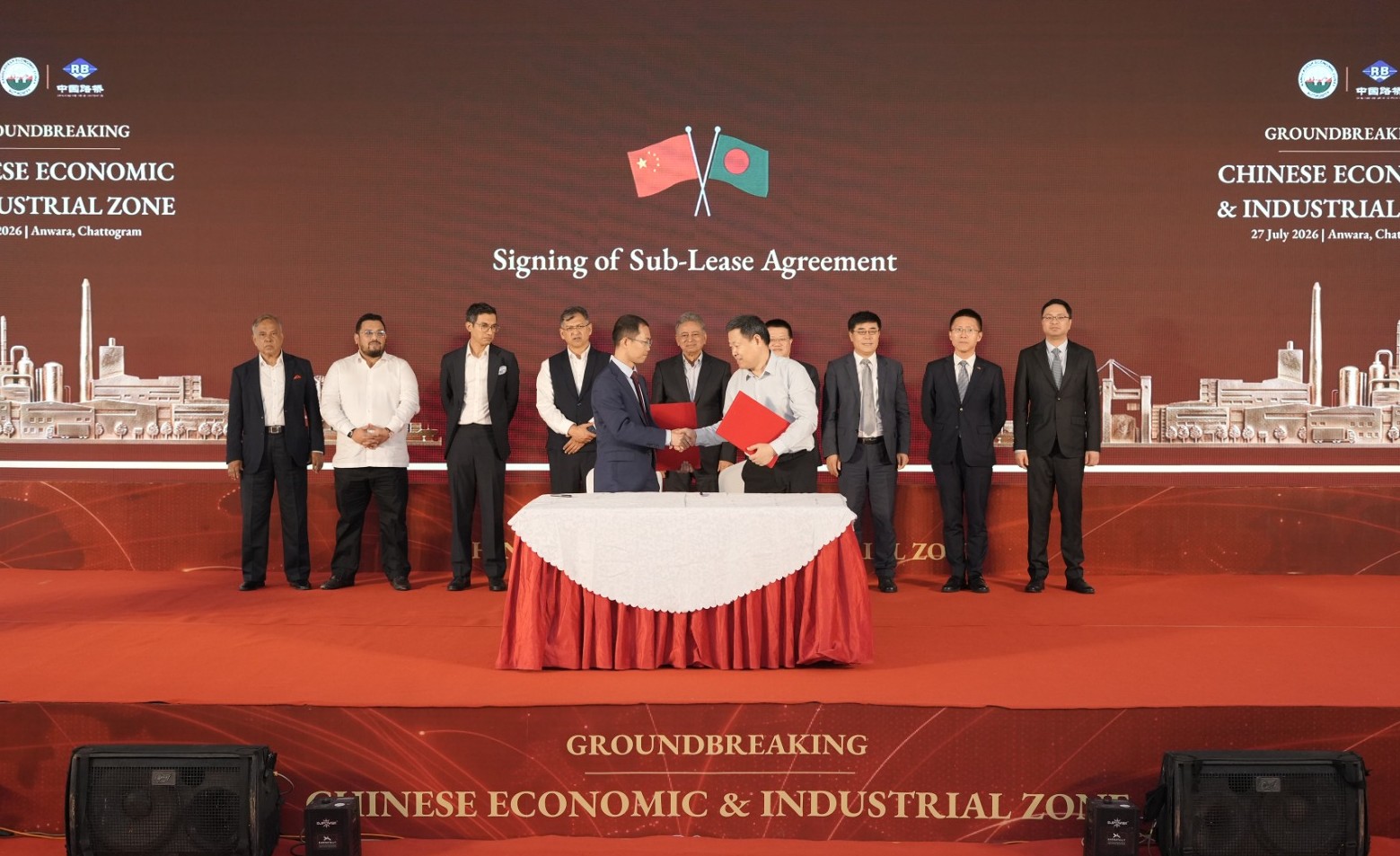
With USD 500 million committed by more than 30 Chinese companies, the focus is now on converting land, infrastructure and approvals into industrial production.